

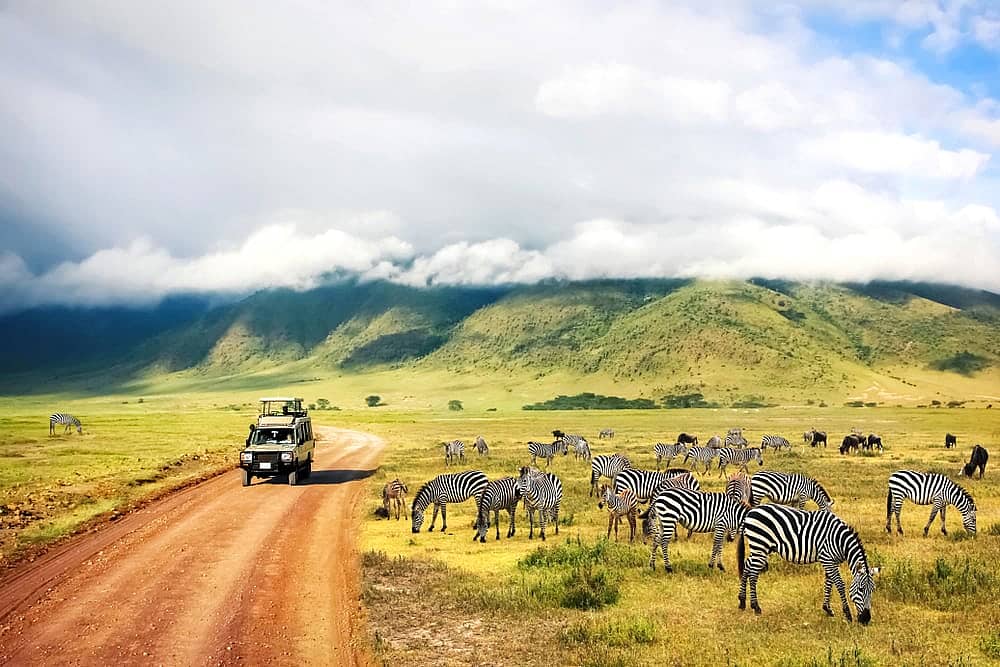
Ngorongoro Conservation Area
Ngorongoro Conservation Area –A Complete Guide & Entry Fees Explained
The Ngorongoro Conservation Area (NCA) is an iconic destination that you shouldn’t miss exploring on a Tanzania safari. Ngorongoro is a recognized UNESCO World Heritage Site and is most popular for its spectacular Ngorongoro Crater.
The NCA is home to the Ngorongoro Crater, also the biggest inactive and unbroken volcanic caldera. The NCA is managed by the Ngorongoro Conservation Area Authority.
Ngorongoro Conservation Area boasts of its diverse attractions that make it the leading destination to explore on Tanzania. This conservation area was established in 1959 and sits on the area of 8,292 sq. km.
The vast Ngorongoro Conservation Area consists of savanna woodlands, savanna plains, highland plains, & forests. Other key habitats that make up the Ngorongoro Conservation Area include riverine areas and wetlands.
Places to Explore on a Tanzania Safari in the Ngorongoro Conservation Area
Ngorongoro Crater
Lying in the scenic Ngorongoro Conservation Area is an intact Ngorongoro Crater with an area coverage of 265 sq.km. The crater measures a diameter of about 20 km and forms an extensive collapsed volcanic caldera, creating a depth of 610m.
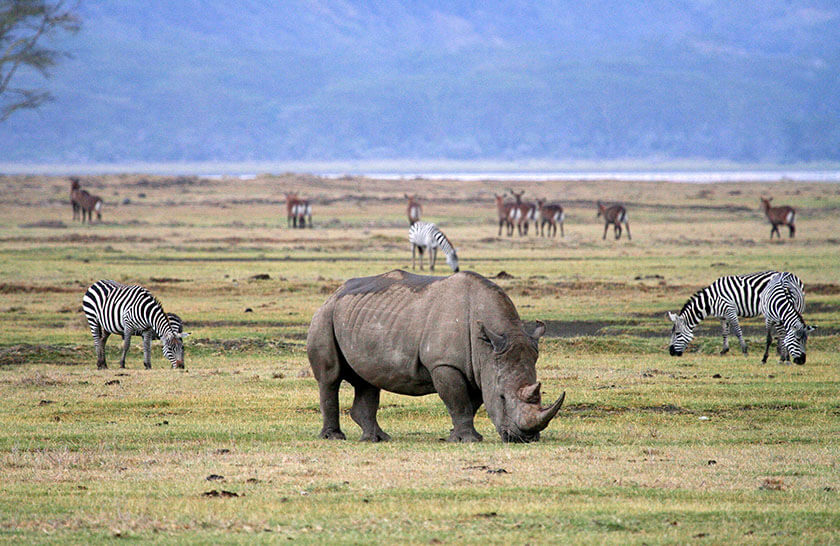
Within the crater area, there resides abundant wildlife for you to explore. The wildlife to see along the Crater Area includes elephants, rhinos, leopards, lions, and buffalo.
Additional wildlife to expect to locate on a tour at the Ngorongoro Crater and Ngorongoro Conservation Area include cheetahs, hyenas, gazelles, wildebeest, jackals, and waterbucks.
Olduvai Gorge
A safari to Ngorongoro Conservation Area is considered incomplete without a visit to Olduvai Gorge. This archaeological site, also known as the cradle of mankind, is where the earliest human fossil evidenced were discovered.
The bird species
At Ngorongoro Conservation Area, there exist about 550 species of birds. The birds of interest on a safari in Ngorongoro include European strain vultures, crown cranes, ostriches, pelicans, flamingos, secretary birds, Kori bustards, hammerkops, black-lored babblers, and gray-capped warblers.
Ngorongoro also supports birds such as Northern fiscals, baglafecht weaver birds, Egyptian goose, Fischer’s sparrow-larks, sentinel lark, brubru, crowned lapwing, dusky turtle doves, yellow-bishops, red-billed firefinch, Eurasian moorhen, and Northern shovelers.
African sacred ibis, purple heron, hadada ibis, great cormorants, marabou storks, sooty chat, collared sunbirds, and helmeted guineafowl. Western cattle-egrets, Kittlitz’s plovers, little swift, African paradise fly-catchers, Speke’s weaver, superb starling, red-billed starling, winding cisticola, and slate-colored boubou, etc.
Keen birders also stand a chance to identify birds such as the Eastern paradise whydahs, blue-billed teal, whinchat, white-fronted bee-eaters, European bee-eaters, white storks, & eared grebe.
Mourning collared doves, temminck’s courser, coqui francolin, and whiskered tern. Eastern chanting goshawks, tacazze sunbirds, Swahili sparrows, Southern red-bishops, Sulphur-breasted bush shrikes, and brown parisoma.
Visit the Maasai & Datoga pastoralists.
Want to explore more about the unique Tanzania cultures and traditions? Do not miss the guided community tour to the Maasai or Datoga community, where you can interact with the pastoralists.
When to visit Ngorongoro Conservation Area
Ngorongoro Conservation Area is a unique destination that can be accessed at any time of the year. This conservation area enjoys incredible weather and climatic conditions.
However, to be safe, the peak season (dry months) offers excellent climatic conditions for you to embark on a wildlife tour in Ngorongoro. Visitors can consider traveling around June to September.
Or you can consider traveling during the off-peak months from October to December & March to May. The off-peak months often offer a more intimate wildlife safari holiday. Very few guests usually consider traveling around the off-months or low (rainy) months of the year.
Is December a good time to visit the Ngorongoro Crater?
December tends to offer a more balanced game-viewing experience and fewer crowds. This is true, especially during the early days of the months and as it goes towards the end, the number of tourists begin to increase.
Why should you visit Ngorongoro for a Tanzania safari?
Multiple reasons make Ngorongoro a MUST-visit destination on Tanzania safaris. First, Ngorongoro is a designated UNESCO World Heritage Site with unique attractions. This conservation area is home to the endangered black rhinos & black-maned male lions. A profusion of about 25,000 wildlife all freely roam in the various habitats of the Ngorongoro Conservation Area.
NCA is home to Ngorongoro Crater, which is listed among the wonders of the world. The crater comes with its captivating safari highlights, the spectacular landscapes, diverse wildlife, & unique Maasai cultures. Visit NCA to witness the biggest intact volcanic caldera on the planet. The crater extends 19km in diameter & 600m in depth. At the crater, expect panoramic views across different angles.
Experience the breathtaking natural scenery.
Ngorongoro Crater boasts a unique landscape, which makes it an exceptional paradise for photography safaris in Tanzania. The crater’s landscape is dominated by acacia forests, grasslands, and shimmering soda lakes, including Lake Magadi.
The existence of these makes it a great habitat for diverse wildlife. At the crater, expect to enjoy the sunrise over the rim or enjoy the sight of flamingoes in the Lake. Everything at the Ngorongoro Crater rewards nature spirits with a magical feel of naturalness.
Immerse into Maasai Cultures
Have a blend of wildlife and African cultures. Visit the Maasai village for an amazing interaction with the local residents. The Maasai have had centuries of experience herding cattle alongside lions/wildebeests. A cultural safari to a Maasai village is a unique opportunity to have a sensational encounter and deep insight into the unique African culture plus traditions.
Easy connectivity to other destinations
From Ngorongoro, visitors can easily connect to the nearest destinations within the Northern circuit. The circuit comprises destinations such as the Tarangire National Park, Lake Manyara National Park, & Serengeti National Park. Ngorongoro’s convenient location makes it possible for tourists to combine the different destinations from the Northern circuit.
Hot air balloon experiences
Embark on a hot air balloon safari and enjoy the aerial views of Ngorongoro wildlife. This is a rare wilderness adventure that promises unforgettable encounters with wildlife and scenic plains.
Game drives
A safari to Ngorongoro never goes without a guided game drive. During the game drive, expect to engage in any of the 2 sessions (morning or afternoon).
Each of the game drive sessions rewards tourists with a glimpse of the Big 5 and other species. The possible sightings on a game drive in Ngorongoro Crater and Conservation Area include zebras, leopards, giraffes, wild dogs, lions, buffalo, elephants, elands, cheetahs, wildebeest, and more.
Birding tours
With a population of about 550 species of birds, visitors’ chances of spotting their favorite birds are higher. Expect to enjoy sights of different birds in varying habitats.
The existing birds of interest in Ngorongoro Conservation Area include the Kori bustards, rosy-throated longclaw, grey crowned cranes, pink flamingoes, ducks, herons, and white-eyed slaty flycatchers.
Travel tip;
Entry fees to Ngorongoro Conservation Area
Non-East African citizens pay US Dollars 70.80
Children 5 years & below and non-East African citizens pay US Dollars 23.60
Below 5 years, they have free entry to Ngorongoro Conservation Area.
Where to stay in & around Ngorongoro Crater/Conservation Area
Key accommodation facilities to book for overnight in Ngorongoro Conservation Area include Ngorongoro Oldeani Mountain Lodge, Neptune Ngorongoro Luxury Lodge, Ngorongoro Forest Tented Lodge, Ngorongoro Lodge, andBeyond Ngorongoro Crater Lodge.
Getting to Ngorongoro Conservation Area (NCA)
Travel by road or air to get to Ngorongoro. Road transport involves driving in a 4×4 safari car to the Northern circuit in about 3-4 hours from Arusha. Or take a domestic flight from Arusha to any of the closest airstrips that serve Ngorongoro, including Lake Ndutu Airstrip, which is located in the Sinoni area.
Conclusion, visit Ngorongoro Conservation Area for unforgettable game viewing, especially the Big 5, including the rare black rhinos. Expect to also witness the world’s largest and intact volcanic caldera, plus abundant bird species.
A lot awaits you at Ngorongoro, including sensational photography experiences. Book Tanzania safaris to Ngorongoro with Flawless Adventure Planners Limited at a budget-friendly rate.