

Kilimanjaro National Park
Kilimanjaro National Park Guide, Attractions, Things to do & Fees
Explore everything about Kilimanjaro National Park (also often referred to as Mount Kilimanjaro National Park), Africa’s premier mountaineering adventure paradise.
Located in the Kilimanjaro region, about 300km south of the Equator crossing. Kilimanjaro National Park boasts a distinct ecosystem characterized by scenic rainforests and alpine meadows.
Kilimanjaro National Park is one of the most beautiful parks located in the Northern Circuit of Tanzania. It is a bucket list destination, especially for adventure seekers on Tanzania safaris.
It is in Kilimanjaro National Park where the legendary Mount Kilimanjaro is situated. It was declared a forest reserve in 1973 under German colonial rule.
In 1987, Kilimanjaro National Park was recognized as a UNESCO World Heritage Site.
Currently, Kilimanjaro National Park spans over 1688 sq. km (approximately 652 sq. mi).
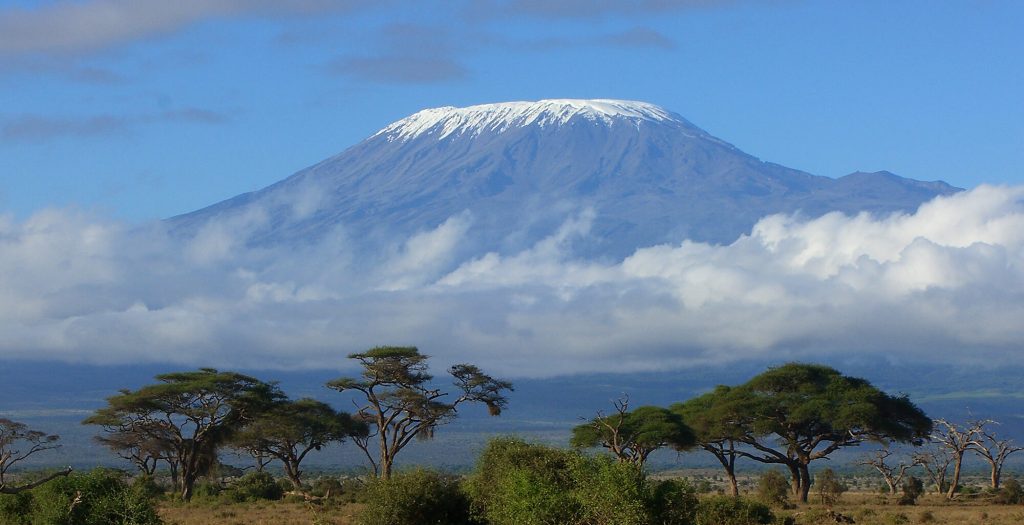
It derives its name from the spectacular Kilimanjaro Volcano, also recognized as the world’s freestanding volcano and Africa’s tallest mountain at an elevation of 5,895m.
Unlike other parks, Kilimanjaro consists of about 8 access gates which serve as entry and exit points to holiday vacationists on a Tanzania wildlife safari.
The primary park entry and exit gates of Kilimanjaro National Park include Umbwe Gate, Marangu, and Machame Gate, (the Southern park entry gates).
The Northern park entry gates to Kilimanjaro include Londorossi, Lemosho, and Rongai gates.
The access gates you choose depend on what a visitor desires to do on Tanzania safaris in Kilimanjaro National Park.
The 8 Main Entry Gates to Kilimanjaro National Park
Marangu gate:
Located at the Kilimanjaro National Park headquarters, Marangu gate introduces you to the southwestern base of Mount Kilimanjaro.
Marangu gate is ideal for visitors with plans to visit the Eastern part of Kilimanjaro National Park.
It can be reached in just one hour drive from Moshi and 2-hour drive from the Kilimanjaro International Airport (JRO).
Mwake park gate:
This is located in the Southern part of Kilimanjaro National Park. It is found around the park boundary to Kilema, and serves as an exit gate.
Kilema Gate:
This gate offers easy access to climbers interested in hiking or trekking Mount Kilimanjaro.
It is also an ideal gate for bikers who are interested in biking excursions around the park area.
Machame gate:
Start your adventure from Machame gate, which is located on the western side and also offers easier access to the Southern park boundary of Kilimanjaro.
Londorosi gate:
This gate provides access to the Shira, Lemosho, & Northern circuit hiking routes. It ushers visitors to an area with dense forest cover.
Rongai gate:
Located along the Northern park boundary, Rongai gate provides access to guests who desire to trek through the Rongai route.
Rongai is one of the challenging routes to navigate through because it requires some acclimatization.
The advantage of it is that you stand a chance to spot a great number of wildlife and also enjoy an intimate safari experience.
Lemosho gate:
Visitors who desire to reach the Kilimanjaro Game Park on the western part, they can use the Lemosho gate.
This gate is situated in an area with lush plantations and is also an ideal gate to use if you want to trek through the Lemosho route.
Umbwe gate:
This is the entry gate and has admistrative post where you can be issued with permits. It is situated near the Mweka gate.
Attractions to Explore in Kilimanjaro National Park
The outdoor attractions to expect to find in Kilimanjaro National Park include the stunning Mount Kilimanjaro, Craters (Maundi and Kibo), Shira plateau, Uhuru Peak, Chagga Villages, Rundugai Hot Springs, wildlife, and bird species.
The Kibo summit:
Kibo marks the highest point of Mt. Kilimanjaro (5895m). Accessing the Kibo summit offers a lifetime adventure.
Ndoro Falls:
This is one of the most picturesque attractions you should expect to explore on a Tanzania tour. It is a strategic attraction, also most preferred by tourists interested in a photography experience.
Chagga museum.
Get a chance to visit and interact with the Chagga people. A visit to the Chagga museum allows you to learn more about the traditions and cultures of the Chagga people who reside in this area.
Northern ice field and credne glaciers shouldn’t be missed to explore on a tour in Kilimanjaro National Park.
The other interesting spot to visit on Mount Kilimanjaro is the Furtwangler glacier.
Lake Chala.
Known for its beautiful blue water and cliffs, Lake Chala is a scenic natural wonder and an excellent spot to visit for kayaking adventures.
Visitors can combine their mesmerizing hikes to the summits of Mt Kilimanjaro and kayaking excursions on Lake Chala.
Additional attractions to see in Kilimanjaro National Park include Materuni waterfalls, Olpopongi Maasai village, Barranco wall, and Marangu falls.
Wildlife/Animals in Kilimanjaro National Park
At the base/foothills of Mount Kilimanjaro, expect to locate a diversity of wildlife/animals that make this park a premier destination.
The notable wildlife in Kilimanjaro National Park includes bushbucks, Kilimanjaro tree hyrax, rodents, cats like leopards, grey duikers, red duikers, cape buffaloes, elands, and primates.
The common primates to find here include bush babies, blue monkeys, and black and white colobus monkeys.
Bird species
A record of about 370 bird species lives in Kilimanjaro’s diverse habitats.
The popular bird zones to explore on a birding tour in Mount Kilimanjaro include the montane forest and moorland zones.
The notable bird species to identify on a birding tour in Kilimanjaro National Park include streaky seed-eaters, Lammergeier;
Crowned eagles. Malachite sunbirds. silvery-cheeked hornbills, and white-necked raven.
Expect to also find birds such as the Abyssinian thrush, Kilimanjaro white-eye, brown woodland-warblers, and black-headed mountain greenbul.
Safari Activities to do in Kilimanjaro National Park
Kilimanjaro hiking/trekking.
Embark on an adventure to conquer the different routes to the summits of Mt. Kilimanjaro.
The primary trekking routes to conquer during the Kilimanjaro mountain hiking tour are many.
The trekking routes include Marangu, Lemosho, Shira, Rongai, Umbwe, and Machame.
The Machame is notably the most scenic route and takes climbers on a steep hike.
About 6-7 days are required to complete the hike along the Machame route.
Climbers in search of easier hiking routes can embark on the Marangu route.
The 3 major peaks to explore during a trekking adventure on Mount Kilimanjaro include Kibo (5895m), and at the Kibo summit, expect to find an ice-capped crater.
Uhuru Peak forms the Kilimanjaro summit. The Stella point (5739m) and trekkers can conquer many routes as they converge around the crater rim.
The second peak is Mawenzi at 5149m and is generally steep, rugged, and requires technical skill to hike. Expert hikers often embark on the hiking adventure to Mawenzi Peak.
Lastly, Shira Peak at 4005m marks the oldest and also the smallest peak on Mount Kilimanjaro.
The highest point on Shira Peak is marked by Johnshell Point.
Trekkers also have a range of other landmarks to explore on a mountaineering adventure on Mount Kilimanjaro, including Western Breach and Lava Tower.
Game viewing -Kilimanjaro National Park
A visit to Kilimanjaro guarantees you unique experiences beyond mountaineering.
Game viewing is done around the foothills, where you have a chance to visit countless mammals.
On a successful day game drive, expect to explore the diversity of mammals that reside here. They include elephants, bushbucks, giraffes, buffaloes, and leopards.
Birding
Bird watching allows you to explore different bird species, including the African fish eagles. Gabar goshawk. African pygmy kingfishers, long-tailed trogon, and grey hornbills.
Best time to visit Kilimanjaro –by month or season
Kilimanjaro safaris can be conducted at any time of the year. But the June to October remains the most preferred period for hiking or trekking on Mt. Kilimanjaro.
The weather conditions received during the dry season are more favorable for climbing Mount Kilimanjaro.
Where to stay –the lodges/camps of Mount Kilimanjaro National Park
Top accommodation properties to secure for overnight in/around Mount Kilimanjaro National Park include Kilemakyaro Mountain Lodge, Kaliwa Lodge.
Additional lodges include Kilimanjaro Mountain Resort. Karanga River Lodge, and Kilimanjaro Coffee Lodge.
Other accommodation options comprise the numerous camps that are located along the different trekking routes.
Getting to Mt. Kilimanjaro National Park
Kilimanjaro is accessible within a one-hour drive from the airport and 41km from Moshi town.
By air, you can take a direct flight to Kilimanjaro Airport and get picked up by a Flawless Adventure Planners driver guide from Tanzania.
The park entry fees to expect to pay to visit Kilimanjaro National Park cost USD 70 per person.
Kilimanjaro Mountain Trekking Options
12 Days Marangu route hiking experience
9 Days Lemosho trekking excursion
12 Days Machame route trekking experience